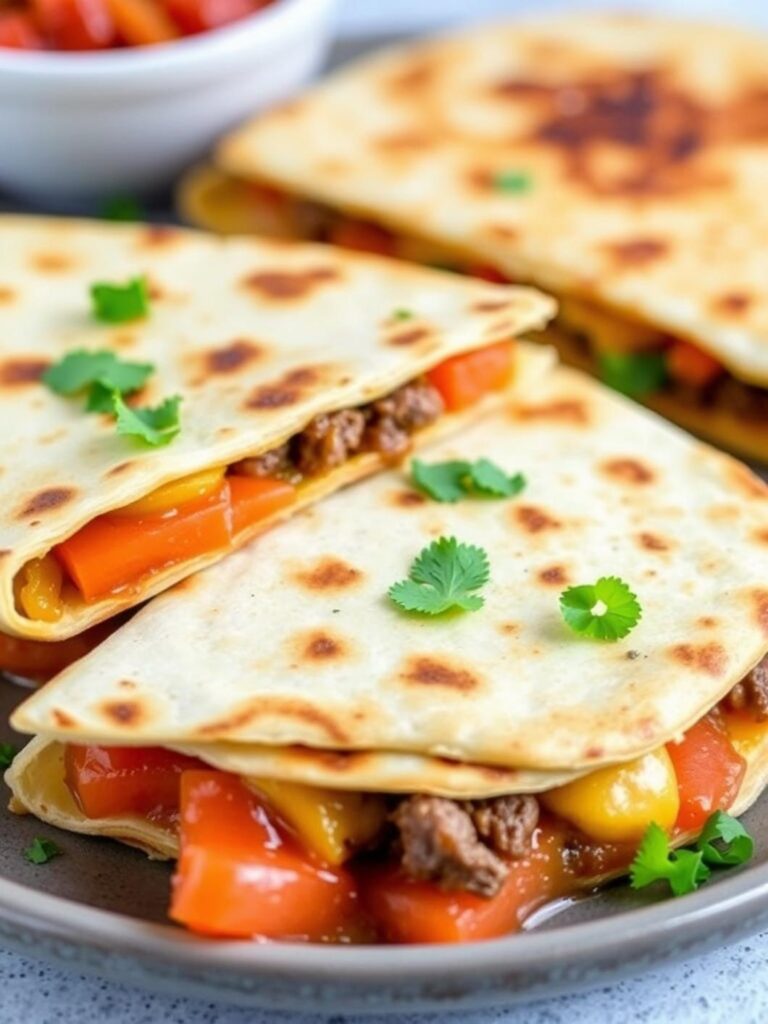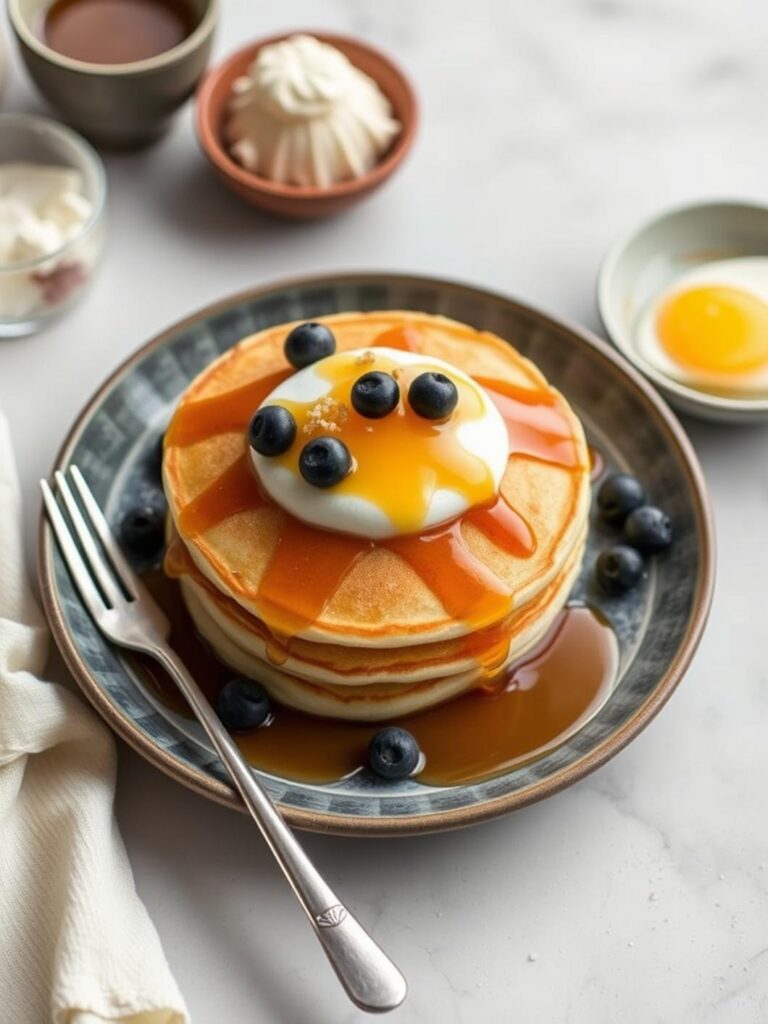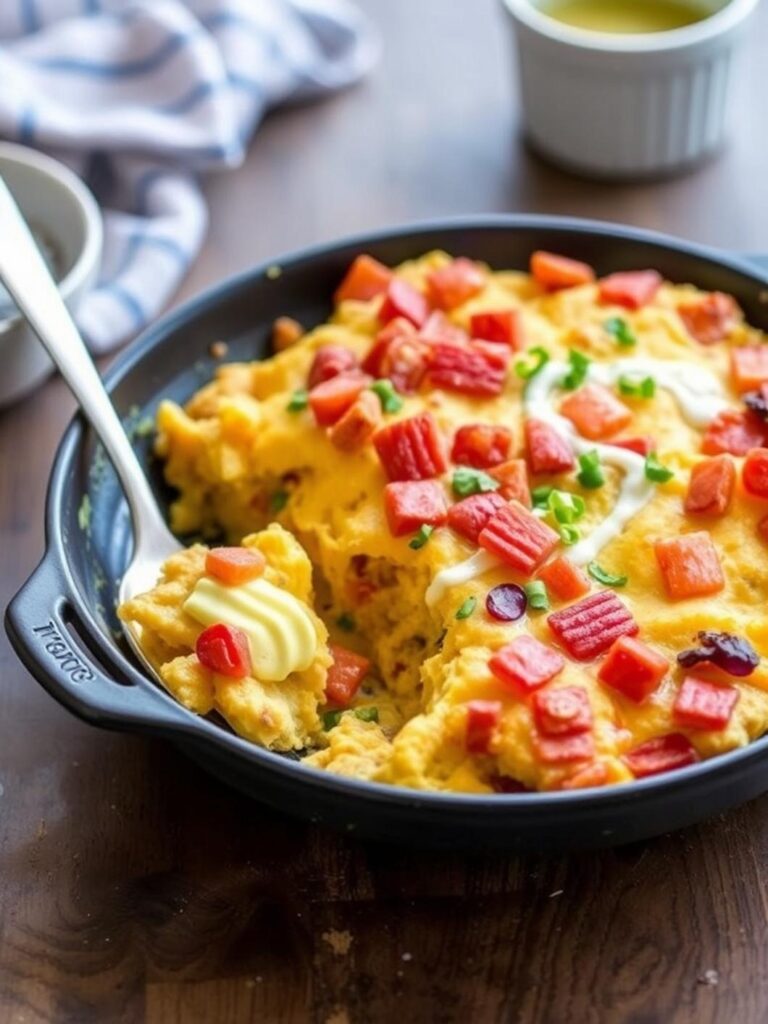


There is something undeniably magical about watching a batter rise dramatically in the oven, transforming into a golden, billowing cloud of deliciousness. This Puffy Easy German Pancake recipe—often affectionately known as a Dutch Baby—is the ultimate breakfast showstopper that requires minimal effort but delivers maximum impact. Imagine a giant, custardy pancake with crispy, towering edges and a tender, melt-in-your-mouth center, dusted with powdered sugar and drizzled with fresh lemon juice. It is a nostalgic comfort food that feels like a fancy brunch at a five-star hotel, yet it comes together in your blender in less than five minutes.
If you are tired of standing over a hot stove flipping individual flapjacks while everyone else eats, this recipe is your savior. You simply whisk the ingredients, pour them into a sizzling hot skillet, and let the oven do the heavy lifting. The result is a spectacular, shareable breakfast that brings the whole family to the table. Whether you are hosting a holiday brunch or just want to make a slow Sunday morning special, these German pancakes are guaranteed to impress.
Why You’ll Love This Recipe
Perfect for Slow Weekend Mornings
There is a unique joy in breakfasts that look complicated but are actually incredibly simple. This German pancake recipe is the definition of “low effort, high reward.” It frees you up to brew coffee and set the table while it bakes, filling your kitchen with the irresistible aroma of toasted butter and vanilla. It is casual enough for pajamas but elegant enough for guests.
Pantry Staple Magic
You do not need exotic ingredients to create this culinary masterpiece. In fact, you likely have everything you need in your kitchen right now: eggs, milk, flour, and butter. It is the technique—using a hot skillet and a hot oven—that turns these humble staples into a gastronomic delight. Plus, it serves as a blank canvas for endless toppings, from fresh berries and whipped cream to savory bacon and cheese.

Ingredients
- 3 large eggs, room temperature
- 0.75 cup whole milk, room temperature
- 0.75 cup all-purpose flour
- 1 tablespoon granulated sugar
- 1 teaspoon vanilla extract
- 0.25 teaspoon salt
- 2 tablespoons unsalted butter
- 1 Lemon wedges and powdered sugar for serving
Instructions
- Place a 10-inch cast-iron skillet or oven-safe baking dish into the oven and preheat to 425°F (220°C).
- In a blender, combine eggs, milk, flour, sugar, vanilla, and salt. Blend on high for 30 seconds to 1 minute until smooth and frothy.
- Once the oven is hot, carefully remove the skillet using oven mitts. Add the butter and swirl to coat the bottom and sides of the pan.
- Pour the batter immediately into the hot skillet. Do not stir.
- Bake for 20-25 minutes until the pancake is puffy and golden brown. Do not open the oven door during the first 15 minutes.
- Remove from oven, dust with powdered sugar, squeeze fresh lemon juice over top, and serve immediately.
Ingredient Highlights & Substitutions
Essential Ingredients
Eggs: The powerhouse of this recipe. They provide the structure and the steam required for that dramatic rise. Room temperature eggs blend better and trap more air, leading to a loftier pancake.
Milk: Whole milk works best here for a rich, custardy texture. The fat content helps tenderize the flour, ensuring the center stays creamy while the edges crisp up.
All-Purpose Flour: Standard plain flour is perfect. It provides just enough gluten to hold the shape without making the pancake tough.
Butter: Salted or unsalted works, but using high-quality butter makes a difference. It melts in the pan to create a non-stick surface and browns slightly to add a nutty, rich flavor to the crust.
Vanilla Extract & Salt: These flavor enhancers are crucial. Vanilla adds sweetness and aroma, while salt balances the richness and makes the flavors pop.
Smart Substitutions
- Dairy-Free: You can successfully substitute the milk with oat milk or almond milk. While the texture might be slightly less custardy, it will still puff beautifully. Use vegan butter or coconut oil for the skillet.
- Gluten-Free: Swap the all-purpose flour for a high-quality 1:1 gluten-free flour blend. Look for a blend that contains xanthan gum to help with the structure.
- Sugar-Free: The small amount of sugar in the batter helps with browning, but you can omit it or use a monk fruit sweetener if you are watching your sugar intake.
Step-by-Step Instructions
Prep Phase
Success with German pancakes lies in the temperature. Preheat your oven to a scorching 425°F (220°C). While the oven heats, place your 10-inch cast-iron skillet or oven-safe baking dish inside. Getting the pan ripping hot is the secret to that immediate puff when the batter hits the pan.
While the oven and pan are heating, prepare your batter. In a blender, combine the eggs, milk, flour, sugar, vanilla extract, and salt. Blend on high speed for about 30 seconds to one minute. You want the batter to be completely smooth and very aerated. If you do not have a blender, you can whisk vigorously by hand, but really put some muscle into it to incorporate air bubbles. Let the batter rest while the oven finishes preheating; this allows the gluten to relax, resulting in a more tender pancake.
Cooking Phase
Once your oven reaches temperature, carefully remove the hot skillet using heavy oven mitts. Immediately add the butter to the pan. It will sizzle and melt rapidly. Swirl the pan so the melted butter coats the bottom and goes up the sides.
Pour the batter directly into the center of the hot, buttery pan. Do not stir it! Immediately return the skillet to the oven. Bake for 20 to 25 minutes. Do not open the oven door during the first 15 minutes, or your pancake may deflate. Watch through the glass as it rises high above the rim of the pan and turns a deep golden brown.
Remove from the oven and serve immediately. The pancake will begin to deflate as it cools, which is natural, so have your toppings ready to go!
Pro Tips for Perfect Results
Technique Secrets
The “Thermal Shock” is key. Cold batter hitting a hot pan in a hot oven creates steam instantly, which forces the batter up the sides of the pan. Ensure your ingredients, especially the eggs and milk, are at room temperature before mixing. If they are cold from the fridge, the batter won’t rise as high.
Common Mistakes to Avoid
- Opening the Oven Door: This is the cardinal sin of making Dutch Babies. The draft of cool air can cause the structure to collapse before it sets. Trust the process and keep the door closed.
- Overworking the Flour: While you want a smooth batter, blending for too long can overdevelop the gluten, leading to a rubbery texture rather than a tender one. 30 seconds to a minute is the sweet spot.
- Using a Cool Pan: If you skip preheating the pan, the butter won’t sizzle, and the crust won’t form properly. That bottom crust is essential for preventing sticking and adding flavor.
Serving Ideas & Pairings
Presentation & Plating
Serve the German pancake straight from the skillet for a rustic, impressive table centerpiece. Dust generously with confectioners’ sugar—it looks like snow on a mountain range. Squeeze fresh lemon wedges over the top for a classic, bright finish that cuts through the richness of the egg and butter. Fresh berries, such as strawberries, blueberries, or raspberries, add a pop of color and tartness.
Pairing Suggestions
To make this a complete feast, serve alongside savory sides to balance the sweetness. Crispy bacon or breakfast sausage links are excellent choices. If you are looking for more inspiration, check out these 40 quick 5-minute breakfast ideas to enjoy to round out your brunch menu. A fresh fruit salad or a yogurt parfait also pairs wonderfully, keeping the meal light and refreshing.
Frequently Asked Questions
Q1? Can I make the batter ahead of time?
Yes! You can blend the batter the night before and store it in the refrigerator. In fact, resting the batter overnight often results in an even taller rise. Just be sure to give it a quick whisk or blend before pouring it into the hot pan.
Q2? Why didn’t my German pancake puff up?
The most common reasons are a pan that wasn’t hot enough or opening the oven door too early. Also, ensure your baking powder isn’t expired (though this recipe relies mostly on eggs for lift) and that you used the correct ratio of liquid to flour.
Q3? Can I double the recipe?
If you want to feed a crowd, it is better to use two separate skillets rather than doubling the batter in one pan. Too much batter in a single pan will be too heavy to rise properly and may end up dense and undercooked in the middle.
| Ingredient Variation | Flavor Profile | Best Topping Pairing |
|---|---|---|
| Classic Vanilla | Sweet, custardy, traditional | Lemon juice & Powdered Sugar |
| Cinnamon Sugar | Warm, spicy, comforting | Sautéed Apples or Maple Syrup |
| Savory Herb | Rich, earthy, salty | Smoked Salmon, Crème Fraiche & Dill |
| Chocolate Chip | Decadent, sweet treat | Whipped Cream & Strawberries |
Conclusion
This Puffy Easy German Pancake recipe is a testament to the beauty of simplicity in cooking. It transforms everyday ingredients into a spectacular meal that feels special and indulgent. Whether you call it a Dutch Baby or a German Pancake, it is sure to become a requested favorite in your household. So, preheat that skillet, blend up your batter, and get ready to watch the magic happen in your oven this weekend. Enjoy every fluffy, buttery bite!